E-commerce and Testing
E-commerce, or electronic commerce, is the process of buying and selling goods and services over the Internet. Initially, E-commerce started with buying books and music gradually; it has expanded into a vast industry that covers everything from groceries to luxury items. This includes various online business activities and transactions, such as online retail, digital products (e.g., e-books and music), Business-to-Business (B2B) transactions, and Business-to-Consumer (B2C) sales.
This article explores the benefits, current trends, testing strategies, and challenges in e-commerce.

Benefits of E-commerce: E-commerce provides numerous benefits for both businesses and consumers. For consumers, it is convenience where they can shop 24/7 from anywhere and access a wide range of products and services with faster transactions without paying a visit to physical stores. For Businesses, it helps reach a global audience that helps expand their market beyond boundaries and reduces the need for physical storefronts.
Current Trends in E-Commerce: The e-commerce landscape continuously evolves, driven by technological advancements and changing consumer behaviors. Here are some key trends shaping the industry today:
Mobile Commerce (M-commerce): With the increasing use of smartphones, more consumers are shopping using mobile devices. Business teams are optimizing websites for mobile use and developing dedicated apps with additional mobile contactless payment.
Social Commerce: Social media platforms are new favourite shopping destinations. Features like Instagram Shopping, Facebook Marketplace, and TikTok’s shopping integrations enable users to browse and purchase products directly through social media channels.
Voice Search: The voice search feature enhances user experience by offering a faster, hands-free alternative to traditional search methods. To stay competitive, it’s essential to understand voice search operation and its multilingual application.
Live stream shopping: This other trend in e-commerce combines entertainment with shopping, moving beyond static images and product descriptions to engage users dynamically and engagingly allowing consumers to purchase products in real-time during live broadcasts.
Same-day next-day delivery: Fast shipping options are becoming a standard expectation among consumers in the e-commerce landscape. These expedited delivery services cater to the growing demand for quick and efficient fulfillment like groceries, services, pharmacy.
Personalization: Personalization in e-commerce provides customers with relevant and contextual experiences Advanced data analytics and artificial intelligence (AI). Recommendations based on browsing history, customized email campaigns, and tailored product suggestions are now becoming the standard.
Augmented Reality (AR): AR in e-commerce is improving the shopping journey by making it more interactive, informative, and personalized. Consumers can visualize how products like clothing, accessories, or makeup will look on them before making a purchase. For example, AR-enabled apps allow users to “try on” clothes virtually or see how a piece of furniture would look in their home, ultimately enhancing their confidence in purchase decisions.

Subscription Services: Subscription-based models are gaining popularity, offering customers convenience and businesses a steady revenue stream. Many subscription services offer discounts or special pricing for subscribers compared to one-time purchases.
Additional payment options: Many online retailers now use tools that allow consumers to buy with a payment plan, often with no extra fees. Digital wallets like Apple Pay and Google Pay allow customers to make payments using their smartphones. Other popular options include “Buy Now Pay Later” Cryptocurrency, E-gift cards, and contactless payments.
Omnichannel Retailing: Consumers expect a consistent experience whether they’re shopping online, in-store, or using a combination of both. Features like click-and-collect and in-store returns for online purchases are becoming more common.
Enhanced Customer Experience: E-commerce businesses are focused on improving customer service through chatbots, live chat support, and efficient return policies to enhance the overall shopping experience.
Testing Strategies for E-commerce Websites: Ensuring a seamless and secure shopping experience is crucial for e-commerce success, and providing a user-friendly experience to customers.
Here are some key testing strategies:
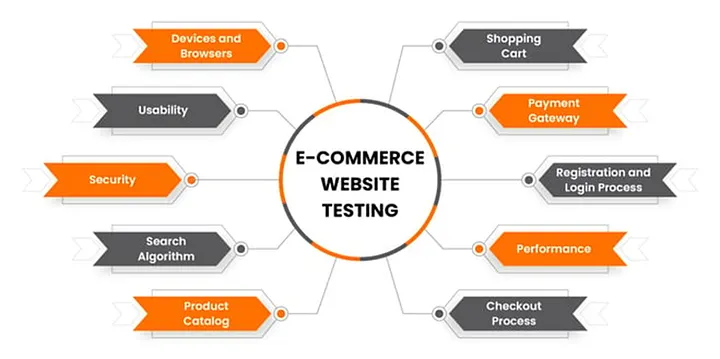
Functional Testing: Verify that all features of the website, such as User registration and login, Product search, filtering, shopping cart, and checkout functionality, work as intended.
Performance Testing: Assess the website’s responsiveness and stability under various conditions, including high traffic, to ensure it can handle peak loads without slowing down or crashing.
Security Testing: Protect customer data by identifying and fixing vulnerabilities. This includes testing for SQL injection, cross-site scripting (XSS), and other security threats.
Usability Testing: Ensure the website is user-friendly and provides a positive user experience. This involves testing navigation, layout, and overall design.
Compatibility Testing: Check that the website functions correctly across different browsers, devices, and operating systems.
Integration Testing: Verify that different components of the website work together as expected.
User Acceptance Testing: Verify that the website meets the business requirements and user needs by testing end-to-end business processes, user scenarios, and overall satisfaction.
Payment Gateway Testing: Verify that all payment methods work seamlessly and securely, ensuring smooth transactions for customers.
Regression Testing: After updates or changes, test the website to ensure that the new code hasn’t adversely affected existing functionality.
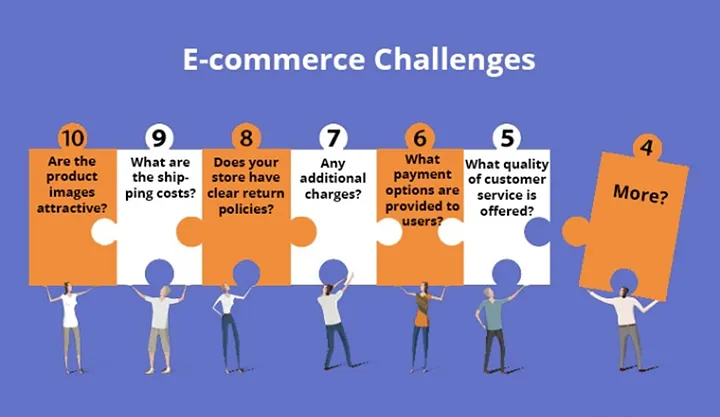
Challenges In E-Commerce: E-commerce businesses also face several challenges that can impact their success. Addressing these challenges effectively can help e-commerce businesses thrive in a competitive landscape. Some of the most common challenges include:
· Protecting customer personal data and preventing fraud are crucial concerns.
· Attracting new customers, retaining existing customers and converting visitors into customers affecting long-term customer relations can be challenging.
· Maintaining customer demands such as fast delivery, easy returns, and fast transactions is crucial.
· Effective inventory management and timely delivery are essential.
· Businesses are required to maintain their logistics strategies as customers expect low-cost or free shipping.
· E-commerce businesses must adhere to various regulations, including data protection laws and consumer rights.
In conclusion, the e-commerce landscape is dynamic and competitive, offering unparalleled opportunities for businesses and consumers alike. By harnessing the benefits of e-commerce, staying ahead of current trends, and implementing robust testing and management strategies, businesses can enhance their online presence and drive growth.